No Hot Water
Nothing warm at any fixture, and the short list of components that produce that result on a burner or on an element.
Symptoms, causes, and what each one predicts
Most people arrive at this subject through a symptom rather than through a part name. The shower went cold, something is dripping, the basement started making a noise it never made before. Six of those complaints account for the overwhelming majority of calls in this metro, and each one has its own page below.
Whatever the symptom, the same three observations shorten every conversation. The first is fuel. The second is age, which is stamped or encoded on the data plate glued to the side of the jacket and is very often the fact that settles the whole discussion. The third is exactly when the trouble shows itself, since a fault that appears only during a long draw, only on windy nights, or only after the house has been empty is a fault that has already narrowed itself down.
None of that requires tools or any part of the appliance being opened. It requires looking at the unit for two minutes and writing three lines on a piece of paper. That is the whole difference between a diagnosis that begins on the phone and one that begins when someone is already standing in the basement charging for the time.
Each page below takes one complaint and follows it to its causes, in the order a plumber would actually work through them. They are written to be read by somebody standing next to a cold appliance rather than by somebody studying the trade.
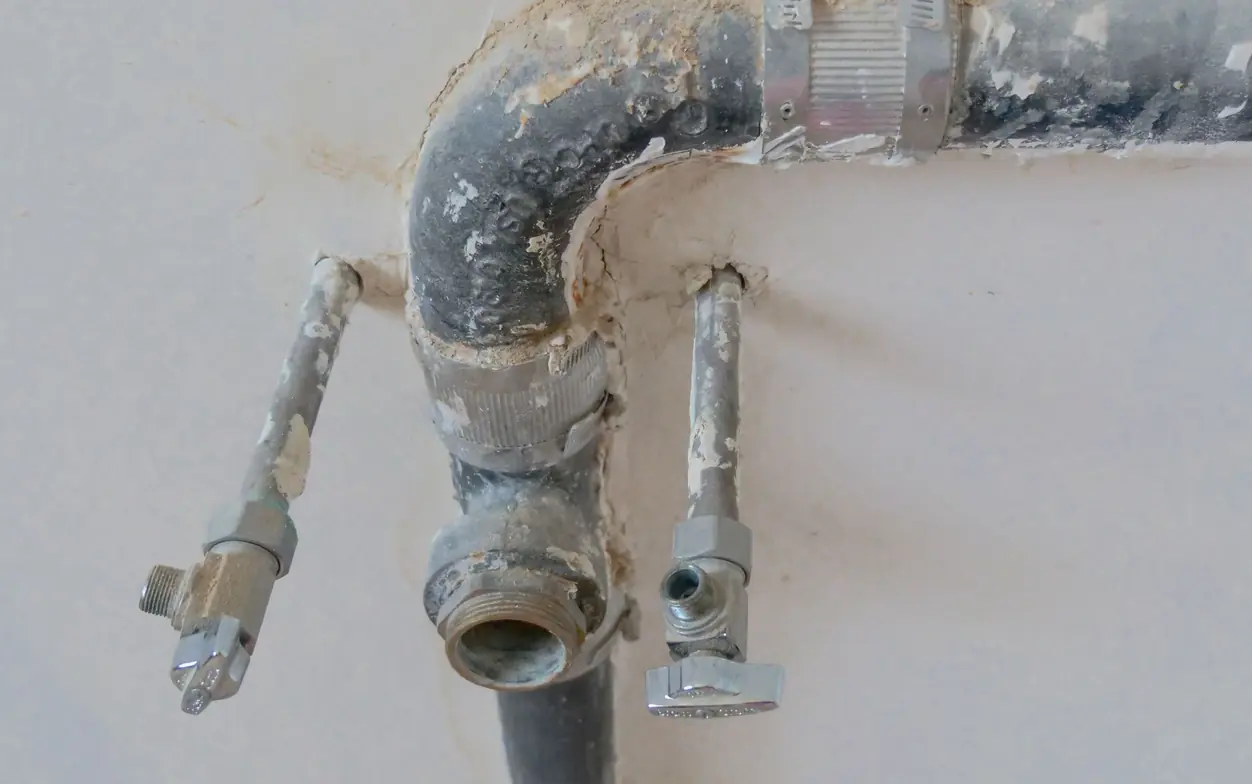
Nothing warm at any fixture, and the short list of components that produce that result on a burner or on an element.
Tracing a puddle back to its origin, sorting a fitting you can reseal from a shell that has perforated, and limiting the damage meanwhile.
The millivolt circuit that holds the fuel open, what the timing of each failure means, and the parts that interfere with it from outside.
Matching a specific sound to a specific cause, separating the tank from the piping around it, and reading what the noise says about remaining life.
One cup of cold and one of hot separates a spent anode rod from galvanized piping or utility work, and the smell question is answered separately.
Separating a fault from a sizing problem, then working through the lower element, sediment, dip tubes, setpoint, and recovery rate.
Several of these overlap at the faucet and diverge completely inside the appliance, which is where money gets wasted. Four pairs come up often enough to be worth stating here.
No hot water at all is not a severe version of not enough hot water. On an electric unit they sit at opposite ends of the same vessel, the top half against the bottom half, and treating one as a worse case of the other sends the work to the wrong element.
Rust colored water and a rotten egg smell get filed together and are close to opposites. Color means the sacrificial rod has been used up and the shell is taking the damage now. The smell means a rod is still very much in there and reacting with bacteria in the stored water. One says the protection is gone, the other says it is working.
A wet floor is not a single condition either. Water at a connection up top is hardware bolted to a sound vessel and is repairable in an hour. Water surfacing at the bottom seam is the vessel itself, and no external fix reaches a hole on the inside.
Noise and short showers travel together and are not the same fault. Both frequently trace back to the same deposit bed, and only one of them ever needs a part.
Most of what is described in this section can safely wait for a weekday appointment, and waiting usually costs less. Three situations should not.
Everything else, including a pilot that will not hold, a noisy tank, and rust in the hot water, is genuinely stable overnight. Turn the fuel or the breaker off if you are unsure and call when the standard rate applies.
This site does not carry out plumbing work. It is a free referral line, and calls go to independent plumbing contractors covering the metro on both sides of State Line. Confirming license and insurance before work starts stays with the homeowner.
Anyone who would rather begin from the general picture than from a symptom can start at the main water heater repair in Kansas City page instead, which sets out the age at which a repair stops making sense and gathers the metro price ranges in one table.
Pick the page whose description comes closest and read the opening section, since most complaints are a variation on one of these six rather than something new. Failing that, describe what the appliance is doing on the phone. A plain account of what you observed beats a guess at a part name every time.
It helps a great deal and it is not worth agonizing over. Where the house has no gas service at all, the appliance runs on a circuit and the question is settled without anyone going near it. Where gas does come in, the no hot water page walks through what feeds the unit and separates the two in seconds. Describing what you can see is enough, because that one answer takes half the possible causes off the table.
No. The call costs nothing, nothing gets booked without your agreement, and the rate for a visit is quoted before anyone is sent. Reading a page here first is optional and only makes the conversation shorter.
Yes. The failures described here behave the same way in Overland Park or Olathe as they do in Waldo or the Northland, because the equipment and the water chemistry are broadly common across the metro. Only the permit and inspection side differs by jurisdiction, and that matters for replacements rather than for symptoms.